
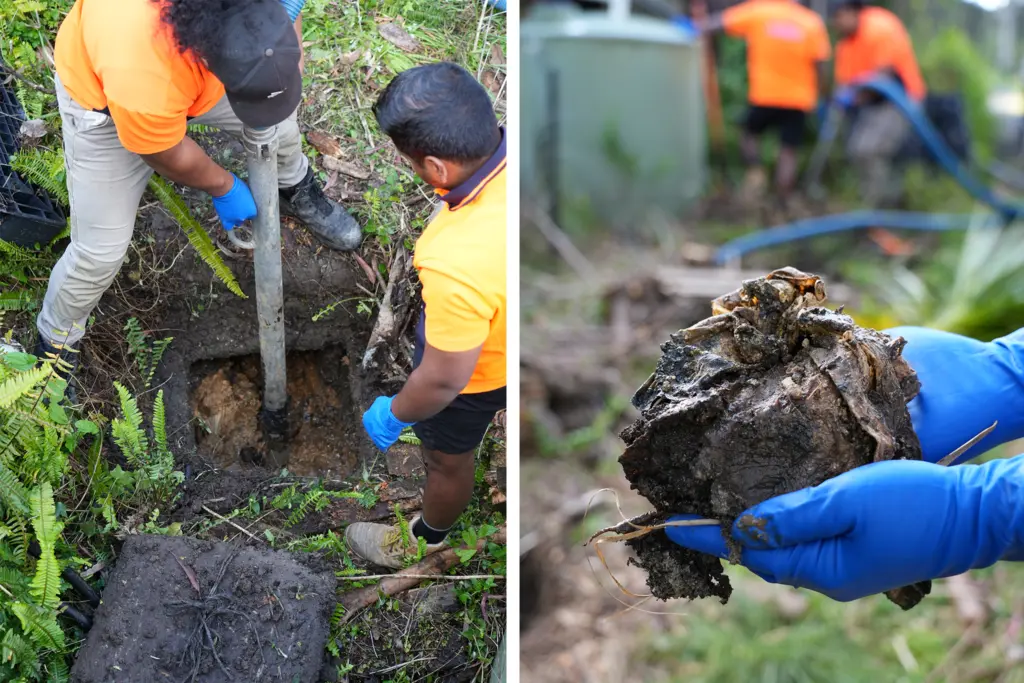
If there’s one thing guaranteed to upset a septic system, it’s wet wipes. Even the ones that say “flushable.” They don’t break down like toilet paper, they tangle into rags, and they can choke pumps and filters right through to your disposal field. New Zealand’s own flushability standard says your loo is strictly for the 3 Ps: pee, poo and (toilet) paper—everything else goes in the bin. standards.govt.nz Watercare
What wipes do inside your septic system
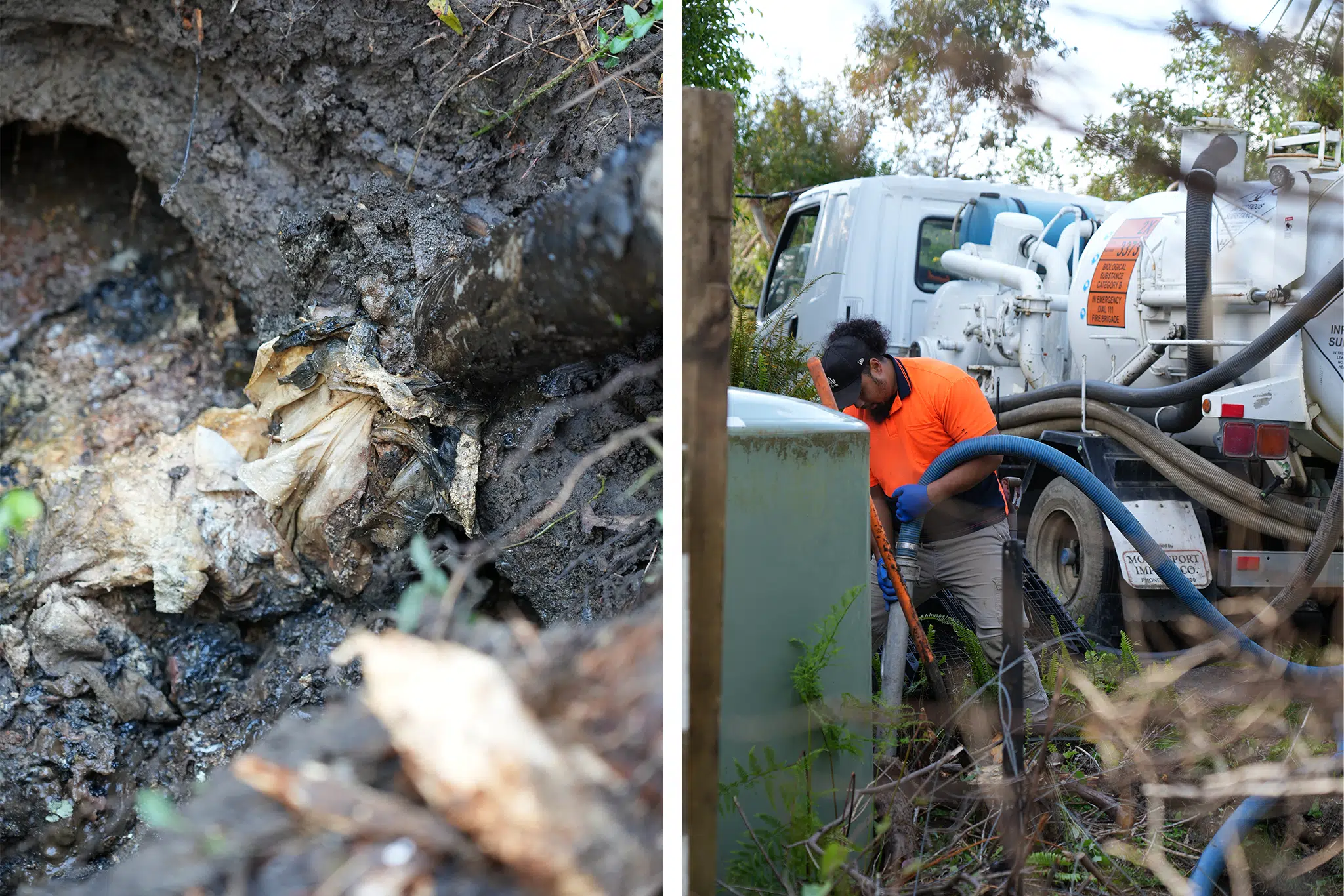
In the pipework: Wipes snag on tiny imperfections and form rope-like “rag balls”. Add a bit of fat or soap scum and you’re halfway to a blockage. Local councils warn many wipes contain plastic fibres that simply don’t disintegrate. Hamilton City Council.
In the tank: Wipes don’t break into sludge; they float and mat together. During septic tank cleaning we often find a tough layer that must be broken up and removed the hard way—time, suction, rinse, repeat.
At the effluent filter: Modern Auckland septic systems use outlet filters to protect the field. Wipes jam these quickly, sending wastewater backwards or forcing solids into the field if a filter isn’t fitted or maintained. (New septic tanks in the Auckland region are required to have an outlet filter.) aucklandcouncil.govt.nz
Pumps & aerators: If you’ve got a pump chamber or aerated system, wipes wrap pump impellers and cause overheating or failure.
Disposal field: Fibres carried over can clog the soil interface, cutting down soakage and shortening field life.
The wider (and costly) impact
This isn’t just a household problem. NZ water utilities spend big every year clearing wipe-related blockages. Water New Zealand estimates at least $16 million nationally, and Auckland media reports have put local removal and disposal at ~$4 million/year. That’s your rates at work—on preventable blockages. waternz.org.nz1News.
What it can cost a homeowner (realistic ballparks)
Every property is different, but here’s what we commonly see when wipes are involved:
| Scenario | What Usually Happens | Typical Extra Cost* |
|---|---|---|
| Standard pump-out takes longer | Rag layer needs breaking up, multiple rinses, filters cleaned | +$100–$400 on top of a normal septic clean (Auckland pump-outs often sit ~$500–$2,000+ depending on size/access) — The Drain Company |
| Blocked outlet/effluent filter | Pull, clean, re-fit (or replace if damaged) | $0–$250 to clean; $200–$500+ to replace depending on filter model/parts — Aqualine NZ / Allflow / wctnz.co.nz |
| Pump ragged or burnt out | Unblock or replace sewage/effluent pump | $300–$500 to de-rag; $800–$1,600+ for a new pump (part only) — Pumpsonline / Pump Shop |
| Emergency call-out (after hours) | Overflow/alarms; urgent response | $265 minimum+ and up (call-out + labour, varies by provider) |
| Field damage over time | Reduced soakage; investigation/repair | Investigations first; repairs can climb quickly if the field is compromised (protect it by filtering + no wipes) |
*Ballparks only, ex-GST, as of 2025. Access distance, digging to lids, and waste volume can shift pricing.
How we remove wipes during a septic clean
- Expose lids & set up safely (gas check, barriers).
- Break up the rag layer and full-depth pump-out (not just surface water).
- Rinse and recover solids from corners and baffles.
- Pull & clean the effluent filter; check seals and risers.
- Check pumps (where fitted) for ragging.
- Service report with photos so you’ve got evidence for your records and council compliance. (Auckland’s on-site wastewater guidance expects owners to maintain and prove system care.) level.org.nz
"But mine say flushable…" (About the NZ standard)
Since 2022, Australia/NZ introduced AS/NZS 5328:2022 to define what can be labelled flushable and what cannot. Utilities (including Watercare) back the standard, and the message is simple: even if a product passes, if you’re on a septic or aerated system, bin it to protect pumps and fields. Only the 3 Ps should go down the toilet. Watercarestandards.govt.nz
Simple habits that save $$$
- Put a lidded bin in every bathroom.
- Tell guests/tenants/Airbnb users: No wipes, no cotton buds, no sanitary items.
- Service on schedule and clean the effluent filter (we’ll show you how).
- Keep fats, oils and grease out of drains—these bind wipes into “fatbergs”. (Councils repeatedly warn about the wipes + FOG combo.) Hamilton City Council.
Need help right now?
If you’ve got slow drains, smells, high alarms or pooling water, book a septic system check and service before it turns into an overflow. We’ll clear the rags, protect your pumps and field, and leave you with a tidy site and a clear plan for next time.
Call 0800 247 862 or book online – Auckland-wide, 24/7.

Sources
- AS/NZS 5328:2022 (Flushable Products) + utilities’ guidance on the 3 Ps. standards.govt.nzWatercare
- Councils on wipes containing plastic fibres and clogging networks. Hamilton City Council
- Effluent filter expectation in Auckland region (technical guidance). aucklandcity.govt.nz
- Owner responsibilities for on-site systems (BRANZ Level). level.org.nz
- National and Auckland-specific wipe-related costs to networks. waternz.org.nz1News
- Pump-out and call-out cost context, replacement parts pricing. The Drain Company Auckland